These few lines from Section 8 of Walt Whitman’s When Lilacs Last in the Dooryard Bloom’d provide something of a master class on how to write a skyscape within a funerary ode against a dark broiling broader political backdrop. They also epitomize how luscious repetition (anaphora) can be used as a poetic device. All those repetitions of ‘night’ and ‘as’ and ‘walk’ convey a glorious if gloomy experiential impression of walking through lush wet grass in the dead of night. Poetry to weep to and enjoy.
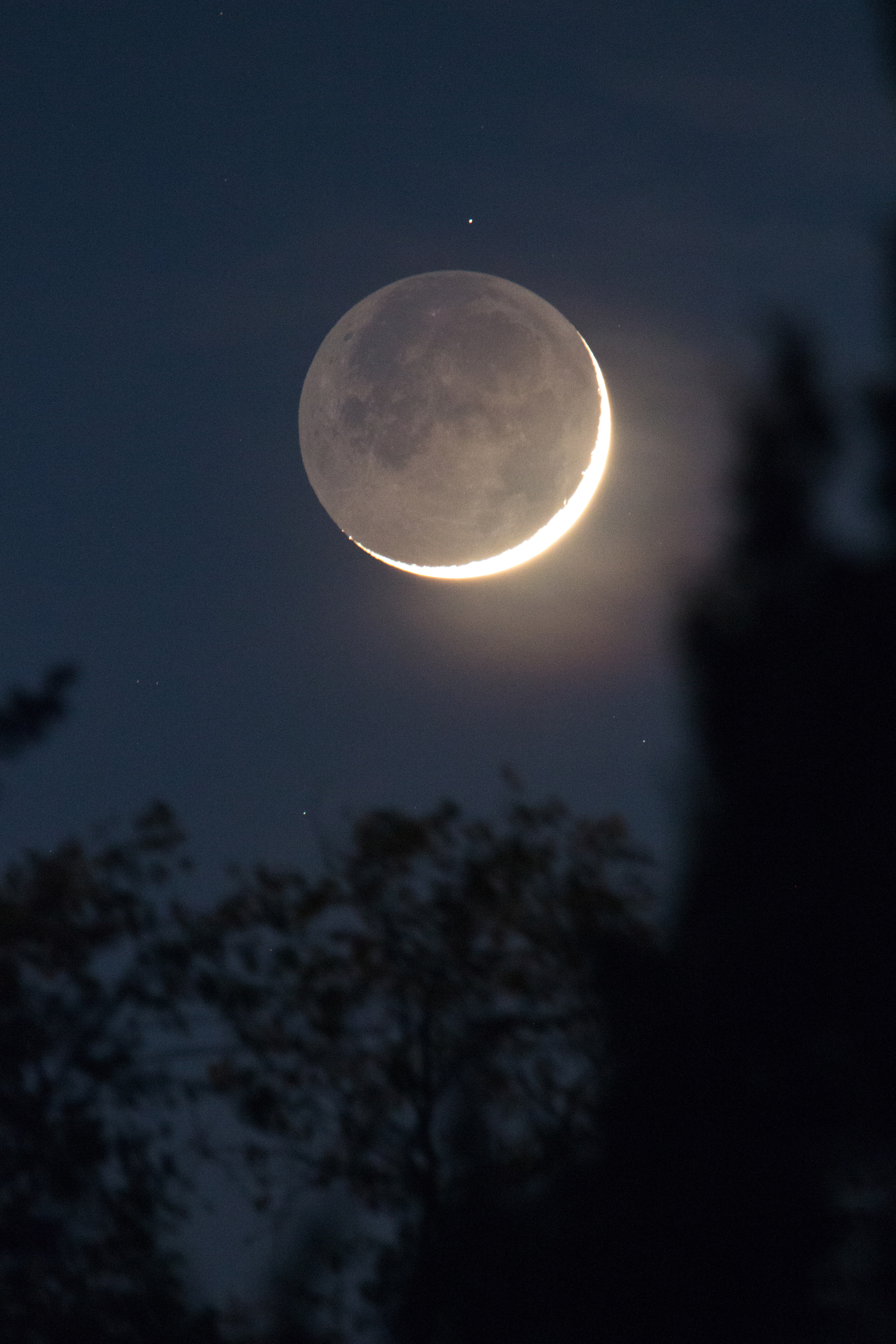
Photo by Brad Mann on Unsplash
O western orb sailing the heaven,
Now I know what you must have meant as a month since I walk’d,
As I walk’d in silence the transparent shadowy night,
As I saw you had something to tell as you bent to me night after night,
As you droop’d from the sky low down as if to my side (while the other stars all look’d on,)
As we wander’d together the solemn night….
As the night advanced, and I saw on the rim of the west how full you were of woe,
As I stood on the rising ground in the breeze in the cool transparent night,
As I watch’d where you pass’d and was lost in the netherward black of the night,
As my soul in its trouble dissatisfied sank, as where your sad orb,
Concluded, dropt in the night, and was gone.
 Poetry, Politics and Language
[…] Moonset in Walt Whitman […]